Double-layer curtains: how they work and where to use them
A double-layer curtain pairs a light sheer with a heavier drape on the same window, usually on a double track or rod. The sheer handles daylight and privacy, and the drape handles darkness and the look of the room. Here is how the layers work, which pairings we make most, and what the window needs.

Why choose two layers
Two layers give you two moods from one window. Open the heavy drape and the sheer keeps daylight soft while the room stays private. Close both and the room feels complete, calm and darker for the evening.
A single curtain gives you only full light or full cover. Two layers fill the space in between, which is why they suit living rooms and bedrooms so well.
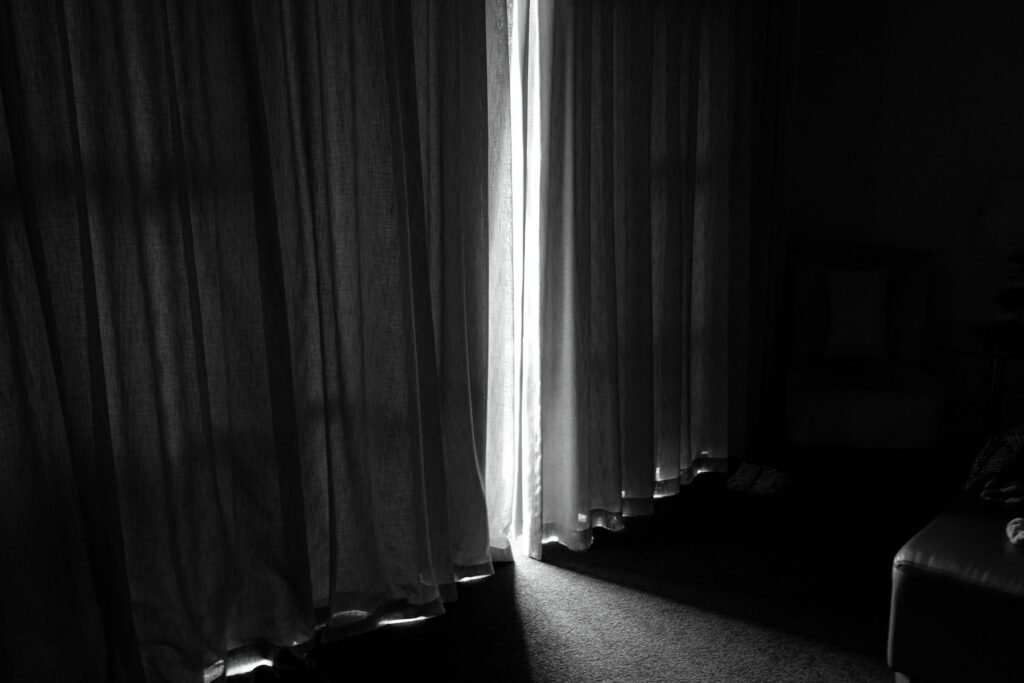
Pairings we make most often
Ripple fold drape with a linen sheer
Our most requested pairing. A ripple fold drape gives a clean, regular wave, and a linen sheer in a pleat style adds a natural, textured layer at the window. The result looks layered and premium, and it suits modern living rooms and wide windows.
Sheer with blackout
A sheer for the day and a blackout drape for the night. Common in bedrooms and home theatres, where you want soft daylight and a dark room on demand.
Sheer with a jacquard drape
A woven jacquard drape with a sheer, for a richer, more formal look. It suits dining rooms and formal living rooms, where the drape becomes a feature of the room.
Sheer with pinch pleat
A pinch pleat drape with a sheer for a tailored, classic look. Pinch pleat stacks thicker at the sides, so leave enough wall space beside the window.
What a double-layer window needs
Two layers need a double track or a double rod, so the window needs enough space for both. We check the wall and ceiling space at the site visit and measure each layer separately.
The sheer usually sits nearest the window and the heavier drape on the room side, so the drape shields the sheer from the sun. Fix the track close to the ceiling and let both layers fall to just above the floor. Each layer needs its own fullness: about twice the width for pleated styles, and sheers often look better with a little more.
Fabrics are chosen from the catalogues of many companies, by budget and taste.
Questions about double-layer curtains
Ripple fold suits modern rooms and wide windows and gives a clean wave. Pinch pleat suits classic, tailored rooms. Eyelet is the simplest. Choose by the look of the room and the width of the window.
No. Many homes use a ripple fold drape with a pleat-style linen sheer. What matters is that the two layers share a colour family and that each layer has enough fullness to look good on its own.
Usually the sheer sits nearest the window, so the heavier drape shields it from the sun. You can reverse the order to show off a special sheer, but it will fade faster in strong sun.
Keep the sheer a light neutral and let the drape carry the colour or texture. Contrasting textures, such as a linen sheer with a smooth drape, add depth without making the window look busy.
It depends on the window size, both fabrics, the lining, the heading style and the track. Two layers need two sets of fabric and a double track, so the cost is higher than a single layer. We give an estimate after the site visit and measurements.
Yes. We plan the motor and the controls for each layer at the site visit.
Related pages
Start with the room
A style or a fabric is only part of the decision. Start with the room, then match the style to it. See what we suggest for each room:
Book a site visit
Tell us about your windows and we will arrange a time to measure, advise and plan with you.